PROJECT 02 / UX evaluation
User Experience Evaluation of UAVs For Remote Border Monitoring
In mountainous terrain, operators needed a UAV that could stay in contact with the ground station, provide timely updates, and support flights longer than 200 km.
Research question
How could the UAV better support frontline operators working in areas with limited communications infrastructure? I examined how operators and engineers experienced connectivity disruptions and delays in the field.
What operators needed
I interviewed 10 frontline operators and five aircraft design engineers in Indonesia. Their accounts showed how terrain and link limitations shaped what crews could monitor in flight and which routes they could plan.
- Continuous contact across ridgelines. Terrain blocked conventional line-of-sight radio links, and interference further reduced the usable operating radius. Crews needed a dependable command and telemetry link even when the aircraft flew beyond direct radio coverage.
- Timely updates and command confirmation. Operators reported communication delays as well as interruptions. They needed current aircraft status and prompt acknowledgment of commands so they could decide whether to act or wait.
- Communication support for flights over 200 km. Crews needed to monitor and control the aircraft on missions with a total flight distance exceeding 200 km. This was an operational requirement raised in the interviews.
- Less dependence on ground relays. Finding suitable relay positions and setting up relay coverage in mountainous terrain was difficult. Crews needed coverage on routes where deploying a relay was impractical.
- Stable high-definition video downlink. Limited link bandwidth made HD video transmission unreliable in the mountains. Operators needed a stable live feed with enough detail to interpret what the aircraft was observing.
- More control over route planning. Crews had to shape flight paths around available radio coverage. They needed to plan routes around mission objectives and identify likely coverage gaps before departure.
From interviews to design
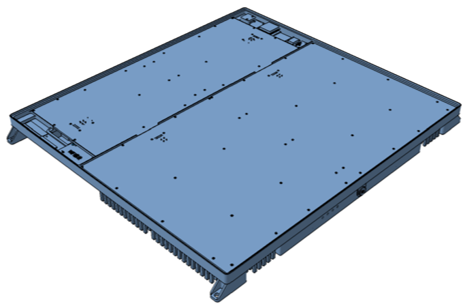
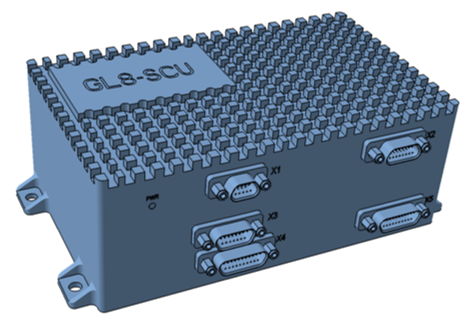
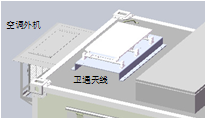
I worked with Indonesian users and the Chinese engineering team to turn interview findings into system requirements. To address coverage gaps, we added a phased-array terminal and a signal conditioning unit to the aircraft, and a satellite communications antenna to the ground station.
Field evaluation
After integration, we ran ground and flight usability tests at Cijulang Airport. I observed how teams coordinated with the system and surveyed 30 onsite operators and engineers after functional validation.
What the evaluation showed
Participants’ feedback indicated greater satisfaction with the revised system and gave the engineering team input for further iteration.